
The Short Answer
The best dental and vision insurance bundle depends on your budget, family size, and how often you need care. In 2026, top contenders include Humana Extend for comprehensive dental-vision-hearing coverage, Cigna Dental Vision 1000 for affordability (averaging around $32/month), Guardian for flexible family plans, and UnitedHealthcare for seamless medical-dental-vision integration. Bundling dental and vision into one plan almost always saves money compared to purchasing separate policies and simplifies claims management. Below, we break down each option so you can find the right fit — though we always recommend you consult your dentist and insurance advisor for personalised advice.
Why Bundle Dental and Vision Insurance?
Dental and vision care are two of the most common out-of-pocket healthcare expenses, yet many medical insurance plans exclude or barely cover them. Bundling these coverages into a single plan offers several advantages:
- Cost savings: Insurance carriers typically offer a discount when you combine dental and vision under one policy. According to UnitedHealthcare, bundling can reduce your total premium compared to buying standalone plans separately.
- Simplified administration: One carrier, one ID card, one customer service number. This makes filing claims, tracking benefits, and managing renewals far easier.
- Better preventive care utilisation: When both benefits are easy to access, you’re more likely to schedule your annual eye exam and biannual dental check-ups — both of which the ADA and the American Optometric Association recommend for early detection of health issues.
- Potential for added benefits: Some bundles also include hearing coverage, supplemental health benefits, or wellness perks that standalone plans don’t offer.
The ADA emphasises that regular dental visits are a critical part of preventive healthcare. Pairing that with routine vision care means two major health needs are covered under a streamlined plan. If you live in California specifically, our guide to the best dental insurance in California covers state-specific carriers, Medi-Cal options, and Covered California marketplace plans in detail.
What to Look for in a Dental and Vision Bundle
Before comparing specific plans, it helps to understand the key factors that separate a good bundle from a great one.
Coverage Depth
Not all dental plans are created equal. Look for plans that cover:
- Preventive care (cleanings, exams, X-rays) at 100% or close to it
- Basic procedures (fillings, extractions) at 70–80% coverage
- Major procedures (crowns, bridges, root canals) at 50% or higher
- Orthodontics if you or a family member needs braces — Invisalign treatment typically runs $3,000–$8,000, so a lifetime orthodontic benefit of even $1,500 meaningfully reduces out-of-pocket costs
For vision, check whether the plan includes:
- Annual comprehensive eye exams
- Allowances for frames and lenses (or contact lenses)
- Discounts on LASIK or other corrective procedures
Annual Maximums and Waiting Periods
Dental plans typically cap annual benefits between $1,000 and $2,500. Higher maximums mean more coverage if you need extensive work — this is especially important if you’re planning a major procedure like a dental implant, where a single tooth can cost $3,000–$7,000. Also watch for waiting periods — some plans make you wait 6–12 months before covering major procedures.
Network Size
A large provider network gives you flexibility to choose dentists and eye doctors near you. PPO-style bundles generally offer out-of-network coverage (at a reduced rate), while DHMO plans require you to stay in-network but often have lower premiums.
Monthly Premium vs. Out-of-Pocket Costs
The cheapest monthly premium isn’t always the best deal. Factor in deductibles, copays, coinsurance rates, and annual maximums to get a true picture of total annual cost.
Top Dental and Vision Insurance Bundles for 2026
Here’s our comparison of the leading bundle options available this year. Note that exact premiums vary by location, age, and plan tier — always get a personalised quote.
Humana Extend
Best for: Comprehensive coverage including hearing benefits
Humana Extend plans combine dental, vision, and hearing (DVH) benefits into a single organised policy. This makes Humana a standout choice for seniors or anyone who wants to cover all three under one umbrella.
- Dental highlights: Multiple plan tiers with preventive care covered at 100% on most plans; options for major services and orthodontics
- Vision highlights: Annual eye exam coverage, frame/lens allowances, and contact lens benefits
- Hearing bonus: Includes hearing exam coverage and discounts on hearing aids — a rare perk
- Network: Extensive nationwide PPO network
- Best suited for: Seniors, Medicare-eligible individuals, and families wanting all-in-one convenience
Cigna Dental Vision 1000
Best for: Budget-conscious individuals and couples
With an average monthly premium of around $32, Cigna’s Dental Vision 1000 plan is one of the most affordable bundled options on the market.
- Dental highlights: Up to $1,000 annual dental maximum; covers preventive, basic, and major services
- Vision highlights: Integrated vision benefits with eye exam coverage and material allowances
- Extras: 24/7/365 customer service and online tools to help you find in-network providers
- Network: Large Cigna PPO dental and vision network
- Best suited for: Individuals, couples, and those who primarily need preventive dental and vision care
Guardian Dental and Vision
Best for: Families looking for flexible plan options
Guardian is well-known in the employer-sponsored benefits space, but they also offer individual and family dental-vision bundles that are competitively priced.
- Dental highlights: Multiple plan levels from basic preventive to comprehensive coverage with orthodontics; strong coverage for children’s dental care
- Vision highlights: Annual eye exam, generous frame and lens allowances, contact lens options
- Network: One of the largest dental PPO networks in the U.S.
- Best suited for: Families with children, individuals who want the flexibility of tiered plans
UnitedHealthcare Dental and Vision Bundles
Best for: People who want to integrate with their medical plan
UnitedHealthcare (UHC) makes it easy to combine dental and vision with existing medical coverage, creating a seamless experience across all health benefits.
- Dental highlights: PPO and DHMO options; preventive care typically covered at no additional cost; competitive annual maximums
- Vision highlights: Partnerships with major vision networks; coverage for exams, glasses, and contacts
- Integration: Single portal and ID card when bundled with UHC medical insurance
- Best suited for: Those already enrolled in a UHC medical plan, employees with employer-sponsored UHC benefits
Aetna Dental and Vision
Best for: Employer-sponsored groups and individuals wanting supplemental coverage
Aetna positions its dental, vision, and supplemental health products as add-ons designed to work with your medical plan. Their specialty benefits are particularly popular in the employer market.
- Dental highlights: Broad PPO and DMO plan selection; strong focus on preventive care; negotiated rates that can lower out-of-pocket costs
- Vision highlights: Annual exams, materials allowances, and LASIK discounts through EyeMed or similar partners
- Extras: Supplemental health benefits (accident, critical illness) can be added to the bundle
- Best suited for: Employees whose companies offer Aetna benefits, individuals seeking robust supplemental coverage
Delta Dental + VSP Vision (Separate but Paired)
Best for: Those who want the strongest standalone dental plan and are willing to manage two policies
Delta Dental is consistently rated among the top dental insurers, and VSP is the nation’s largest vision care provider. While not technically a single bundle, many consumers pair these two for best-in-class coverage in each category.
- Dental highlights: Largest dental network in the U.S.; PPO and Premier options; generous annual maximums on higher-tier plans
- Vision highlights (VSP): Comprehensive eye exam coverage, wide selection of frames, contact lens allowances
- Trade-off: Two separate policies means two premiums, two ID cards, and two customer service lines
- Best suited for: People who prioritise network breadth and coverage quality over administrative simplicity
How to Choose the Best Bundle: A Step-by-Step Guide
Follow these steps to find the dental and vision bundle that’s right for you:
Step 1: Assess Your Needs
Write down the dental and vision services you and your family used in the past year. Include cleanings, fillings, crowns, braces, eye exams, glasses, and contacts. This gives you a baseline for the coverage level you need.
Step 2: Check Your Current Coverage
If you have employer-sponsored benefits, review what’s already included. You may only need to supplement with a vision plan, or vice versa. Federal employees should explore FEDVIP options through BENEFEDS.gov, which offers competitive dental and vision plans from multiple carriers.
Step 3: Get Multiple Quotes
Visit the websites of at least three providers from our list above. Enter your zip code, age, and family size to get accurate premium estimates. Many carriers offer instant online quotes.
Step 4: Compare Total Annual Costs
Don’t just compare monthly premiums. Calculate total annual cost using this formula:
(Monthly premium × 12) + Expected deductibles + Estimated copays/coinsurance − Value of benefits used = True annual cost
The plan with the lowest true annual cost for your expected usage is usually the best value.
Step 5: Verify Your Providers Are In-Network
Before enrolling, search each plan’s provider directory to confirm your current dentist and eye doctor are in-network. Out-of-network care can cost significantly more.
Step 6: Read the Fine Print
Check for waiting periods on major dental services, annual and lifetime maximums, exclusions for pre-existing conditions, and any age limits on orthodontic coverage.
Step 7: Enroll During Open Enrollment
Most individual plans have open enrollment windows. Employer plans align with your company’s enrollment period. Mark your calendar and don’t miss the deadline.
Special Considerations for Seniors
If you’re 65 or older, original Medicare does not cover routine dental or vision care. That makes a standalone dental-vision bundle essential. According to research from The Senior List, Spirit Dental, Aetna, and Delta Dental rank among the most affordable and comprehensive options for seniors in 2026. Humana Extend is also worth considering for its hearing benefit inclusion. Consult your dentist and a licensed insurance agent to find the best fit for your health needs and budget.
The Cheapest Dental Insurance Is Not Needing It
The fastest way to lower your dental insurance costs is to need fewer fillings, crowns, and root canals — which depends almost entirely on the quality of your daily home care. A 2017 Cochrane review found that powered toothbrushes reduce plaque significantly more than manual brushing, and an ADA-cited 2023 study confirmed that adding a water flosser to daily care reduces gingivitis. In a year where you might spend $400 on insurance premiums plus $1,500 of deductibles and copays, three preventive tools that cost under $200 combined can prevent the cavities and gum problems that drive most claims.
Preventive Tools That Reduce Long-Term Dental Bills
A pressure-sensing electric brush, a water flosser, and a fluoride mouthwash form the home-care trio dentists recommend for cavity and gum-disease prevention.
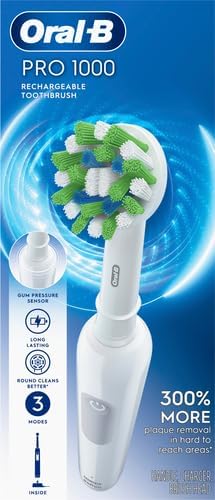
Oral-B Pro 1000
Pressure sensor + 2-minute timer, under $50
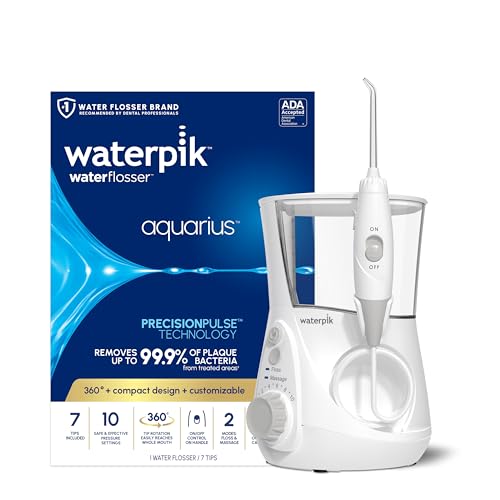
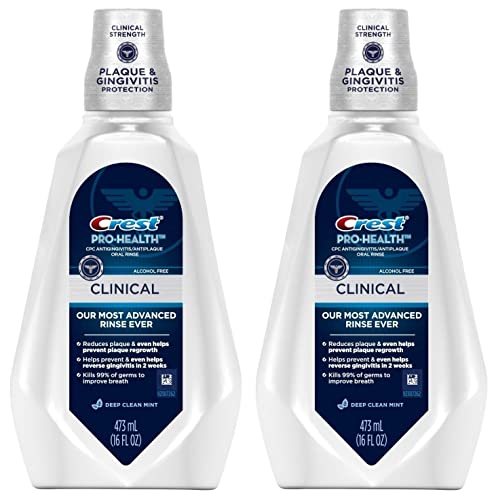
Crest Pro-Health Clinical CPC
ADA-Accepted, alcohol-free
Affiliate links — Dental Roundup may earn a commission at no cost to you.
For deeper picks in each category, browse our roundups of the best electric toothbrushes for braces and orthodontics, the best toothpaste for cavity prevention, and the best mouthwash for early gum disease.
FAQ
Is it cheaper to bundle dental and vision insurance together?
In most cases, yes. Carriers like Humana, Cigna, Guardian, and UnitedHealthcare offer discounted rates when you purchase dental and vision together compared to buying separate standalone plans. The exact savings vary by provider and plan tier, but bundling can save anywhere from 10% to 30% on total premiums. If you currently have no coverage and face an urgent dental issue, see our guide on emergency dental care without insurance for low-cost and free care options available in the meantime.
Does medical insurance include dental and vision coverage?
Typically, no. Most medical insurance plans do not include comprehensive dental or vision coverage for adults. The ADA notes that dental benefits are usually purchased separately. Some Affordable Care Act (ACA) marketplace plans include paediatric dental coverage, but adult dental and vision usually require separate or supplemental policies.
What is a good annual maximum for dental insurance?
For individuals who mainly need preventive care and the occasional filling, a $1,000 annual maximum may suffice. If you anticipate needing crowns, root canals, or other major work, look for plans with $1,500–$2,500 annual maximums. Keep in mind that higher maximums usually come with higher premiums.
Are there dental and vision bundles with no waiting periods?
Yes. Some plans — like Spirit Dental and certain Cigna options — offer little to no waiting period for preventive and basic services. However, major procedures like crowns, bridges, and dentures often still have a waiting period of 6–12 months. Always check the plan details before enrolling.
Can I use my dental and vision bundle with any provider?
That depends on the plan type. PPO bundles allow you to see out-of-network providers at a reduced benefit level. DHMO or HMO-style plans require you to visit in-network providers only. If keeping your current dentist or eye doctor is important, verify they’re in-network before you sign up.
Do federal employees have access to dental and vision bundles?
Yes. The Federal Employees Dental and Vision Insurance Program (FEDVIP), managed through BENEFEDS.gov and OPM.gov, offers eligible federal employees, retirees, and their families a selection of dental and vision plans from multiple carriers. These plans are competitively priced and can be compared using OPM’s online comparison tool.