
The Short Answer
If you’re facing a dental emergency with no insurance and no money, you still have options. Community health centres, dental schools, hospital emergency rooms, charitable organisations, and government-funded programs can provide urgent care at little or no cost. Many of these facilities use sliding-scale fees based on income, meaning you may pay nothing at all. The most important thing is to act quickly — delaying emergency dental treatment can lead to worsening pain, infection, and far more expensive problems down the road. Once your immediate crisis is resolved, see our guides to the best dental and vision insurance bundles and best dental insurance in California to find affordable coverage so you’re protected next time. Below, we walk you through every realistic option available so you can get the help you need right now.
What Counts as a Dental Emergency?
Before exploring your options, it helps to understand what qualifies as a dental emergency. According to the American Dental Association (ADA), a dental emergency is any situation that requires immediate treatment to stop ongoing tissue bleeding, alleviate severe pain, or address an infection that could become life-threatening.
Common dental emergencies include:
- Severe toothache or throbbing pain that doesn’t respond to over-the-counter pain relievers
- A knocked-out (avulsed) tooth — time is critical; re-implantation is most successful within 30 minutes
- A cracked, fractured, or broken tooth exposing the nerve
- An abscess or serious infection with swelling in the face, jaw, or neck
- Uncontrolled bleeding from the mouth after trauma or extraction
- A loose or displaced permanent tooth
- Dry socket pain after a recent extraction — if you’ve had a tooth pulled and the pain is worsening after 2–4 days, read our guide on how to fix dry socket for treatment steps and when to seek urgent care
If you’re experiencing any of these symptoms, seek care as soon as possible. While financial barriers are real and stressful, the resources below exist specifically to help people in your situation.
Where to Get Emergency Dental Care With No Insurance and No Money
1. Community Health Centres (Federally Qualified Health Centres)
Federally Qualified Health Centres (FQHCs) are required by law to see patients regardless of their ability to pay. They operate on a sliding-scale fee structure, which means the amount you owe is based on your household income and family size. If you truly have no money, your cost could be $0.
- There are over 1,400 FQHCs across the United States with roughly 15,000 service delivery sites.
- Many offer dental services including emergency extractions, fillings, and abscess drainage.
- Find one near you at findahealthcenter.hrsa.gov.
2. Dental Schools
University dental schools provide treatment performed by supervised dental students at significantly reduced rates — often 50–80% less than private practices. Many dental schools also have urgent care or emergency clinics that accept walk-ins.
For example, NYU College of Dentistry operates an urgent care clinic that provides emergency evaluations and treatment at lower costs. Similar programs exist at dental schools nationwide.
To find a dental school near you, the ADA maintains a list of accredited dental education programs at ada.org.
3. Hospital Emergency Rooms
If your dental emergency involves severe swelling, difficulty breathing or swallowing, uncontrolled bleeding, or a high fever, go to the nearest hospital emergency room immediately. These are signs that an infection may be spreading, which can become a medical emergency.
ERs are legally required to stabilise you regardless of your insurance status or ability to pay under the Emergency Medical Treatment and Labor Act (EMTALA). While an ER may not perform definitive dental procedures like root canals, they can:
- Prescribe antibiotics for infection
- Provide pain management
- Drain dangerous abscesses
- Stabilise your condition until you can see a dentist
After treatment, you can negotiate bills, apply for financial hardship programs, or set up interest-free payment plans.
4. Free and Charitable Dental Clinics
Numerous nonprofit organisations run free dental clinics or events throughout the year:
- Dental Lifeline Network (DentServ): Connects elderly, disabled, and medically fragile people with volunteer dentists who provide care for free. Visit dentallifeline.org.
- Remote Area Medical (RAM): Hosts large-scale free clinics in communities across the country that include dental services like extractions and fillings.
- Missions of Mercy: Faith-based and secular organisations hold free dental days, often treating hundreds of patients in a single weekend.
- Local charities and churches: Many communities have local organisations that sponsor free dental days. Call your local United Way or dial 211 for referrals.
5. State and Local Government Programs
Depending on where you live, you may qualify for government-funded dental assistance:
- Medicaid: If your income is low enough, you may qualify for Medicaid, which covers emergency dental services in most states. Some states offer comprehensive dental coverage for adults under Medicaid. Check your eligibility at medicaid.gov.
- CHIP (Children’s Health Insurance Program): If your child needs emergency dental care, CHIP provides dental coverage for children in families that earn too much to qualify for Medicaid but cannot afford private insurance.
- State dental programs: Some states have their own programs. For instance, NYC Health + Hospitals operates dental clinics with specialists on call 24 hours a day for emergency dental services, with financial counselling available for uninsured patients.
6. Dental Discount Plans
While not insurance, dental discount plans charge a low annual or monthly membership fee (typically $80–$200 per year) and give you access to negotiated rates at participating dentists — usually 20–60% off standard fees. If you can scrape together a small amount, this can dramatically reduce your emergency care bill. These plans have no waiting periods, no deductibles, and no annual maximums.
7. Negotiate Directly With a Dentist
Don’t underestimate the power of simply calling a dental office and being honest about your situation. Many private-practice dentists will:
- Offer a cash-pay discount (sometimes 10–30% off)
- Set up a zero-interest payment plan
- Prioritise the most urgent treatment and defer cosmetic or elective follow-up care
- Refer you to a more affordable provider if they can’t help directly
Step-by-Step: What to Do Right Now If You Have a Dental Emergency
If you’re reading this in pain, here’s a clear action plan:
Step 1: Assess the Severity
Determine whether your situation is life-threatening. If you have difficulty breathing, severe facial swelling extending to your eye or neck, a fever above 101°F (38.3°C), or uncontrolled bleeding, call 911 or go to the nearest emergency room immediately.
Step 2: Manage Pain and Symptoms at Home (Temporarily)
While you arrange care, you can take these temporary measures:
- Take over-the-counter pain relievers like ibuprofen (Advil) or acetaminophen (Tylenol) as directed on the packaging. Avoid aspirin if there is bleeding.
- Rinse your mouth with warm salt water (half a teaspoon of salt in eight ounces of water) — the NHS recommends salt water rinses to help reduce bacteria and soothe irritated tissue.
- Apply a cold compress to the outside of your cheek in 20-minute intervals to reduce swelling.
- If a tooth is knocked out, try to place it back in the socket gently, or store it in milk or saliva and seek care within 30 minutes.
Note: These are temporary measures, not treatments. Consult your dentist for personalised advice.
Emergency Dental Products Worth Having on Hand
While you arrange professional care, a few affordable products (most under $12) can provide temporary relief and prevent further damage. These are stopgaps — not substitutes for seeing a dentist — but they can make a critical difference when you’re waiting for an appointment.
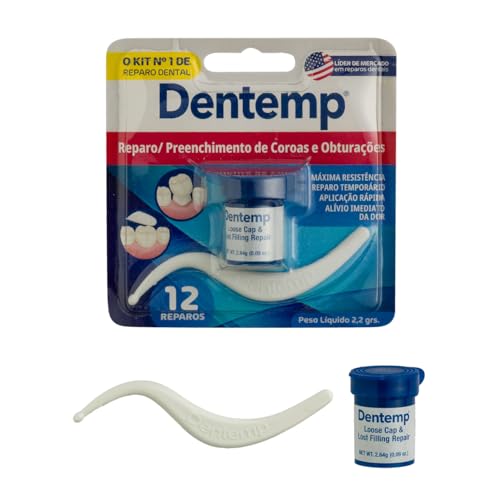
Dentemp Maximum Strength
Best for: Temporary filling and loose cap repair
- Repairs lost fillings and loose caps at home
- Sets in minutes without mixing
- Dentist-recommended temporary fix
- Lasts until you can see a professional
✓ Free shipping with Prime · ✓ Amazon's price guarantee · Affiliate link
✓ Free shipping with Prime · ✓ Amazon's price guarantee · Affiliate link
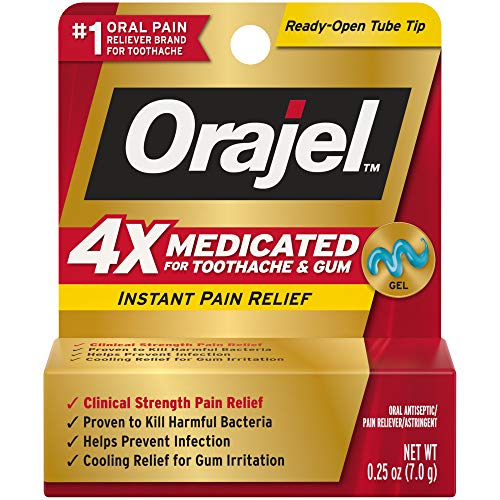
Orajel 4X Severe Toothache Gel
Best for: Fast-acting severe toothache pain relief
- 20% benzocaine for maximum numbing
- 4 active ingredients target severe pain
- Works in minutes on contact
- Cooling menthol formula
✓ Free shipping with Prime · ✓ Amazon's price guarantee · Affiliate link
✓ Free shipping with Prime · ✓ Amazon's price guarantee · Affiliate link
DenTek Dental First Aid Kit
Best for: All-in-one emergency dental repair
- Includes Temparin Max filling material
- Eugenol (clove oil) pain reliever included
- Applicator tool for precise placement
- Tooth-saver vial for knocked-out teeth
✓ Free shipping with Prime · ✓ Amazon's price guarantee · Affiliate link
✓ Free shipping with Prime · ✓ Amazon's price guarantee · Affiliate link
Step 3: Call 211
Dial 211 from any phone. This free, confidential service connects you with local resources including free dental clinics, sliding-scale providers, and emergency assistance programs in your area. Operators are available 24/7.
Step 4: Search for an FQHC or Dental School Near You
Visit findahealthcenter.hrsa.gov or the ADA’s dental school directory. Call ahead and explain that you have a dental emergency with no insurance and no money. Ask about:
- Same-day or next-day emergency appointments
- Sliding-scale fees
- Required documentation (ID, proof of income, etc.)
Step 5: Apply for Medicaid or Emergency Assistance
Even if you think you won’t qualify, apply anyway. Many states have presumptive eligibility that can provide temporary coverage while your full application is processed. You can apply online at healthcare.gov or through your state’s Medicaid office.
Step 6: Get Treated and Ask About Follow-Up Options
Once you receive emergency care, ask the provider about affordable options for any follow-up treatment. Many clinics will work with you on a payment plan or refer you to another low-cost provider for ongoing care.
How to Prevent Future Dental Emergencies on a Budget
Prevention is always cheaper than emergency treatment. Even without insurance, you can protect your oral health with these habits:
- Brush twice daily with a fluoride toothpaste. The ADA recommends brushing for at least two minutes each session.
- Floss daily to remove plaque from between teeth where your brush can’t reach. Our guide on how to remove plaque from teeth covers the most effective techniques and tools.
- Use an antibacterial or fluoride mouthwash to help reduce bacteria and strengthen enamel. (Check out our guide to the best mouthwash for cavities for affordable recommendations.)
- Avoid chewing ice, hard candy, or non-food items that can crack teeth.
- Wear a mouthguard during sports or if you grind your teeth at night.
- Visit a low-cost dental clinic for preventive check-ups. Catching a small cavity early is far less expensive than treating a full-blown abscess later.
FAQ
Can I go to the emergency room for a toothache with no insurance?
Yes. Under EMTALA, hospital emergency rooms must evaluate and stabilise you regardless of your insurance status or ability to pay. They can provide antibiotics, pain relief, and drain abscesses. However, ERs typically do not perform definitive dental procedures like root canals or fillings. You will likely need follow-up care from a dentist. You can also apply for the hospital’s financial assistance program afterward to reduce or eliminate the bill.
Are there really free dental clinics?
Yes. Organisations like the Dental Lifeline Network, Remote Area Medical, and Missions of Mercy operate free dental clinics across the country. Federally Qualified Health Centres are also required to see patients regardless of their ability to pay. Many communities hold free dental days multiple times per year. Call 211 or check with your local health department to find events near you.
Will a dentist pull a tooth for free if I can’t pay?
Some dentists volunteer at free clinic events where extractions and other urgent procedures are provided at no cost. FQHCs and dental schools may also perform extractions at very low or no cost based on your income. It’s always worth calling and asking — many providers want to help and can point you in the right direction.
How do I qualify for Medicaid dental coverage?
Medicaid eligibility varies by state but is generally based on household income, family size, age, disability status, and other factors. In most states, adults earning up to 138% of the federal poverty level qualify under Medicaid expansion. Emergency dental services are covered in most states even for adults, while children’s dental coverage under Medicaid and CHIP is more comprehensive. Apply at healthcare.gov or your state’s Medicaid office.
What should I do if my face is swelling from a tooth infection?
Facial swelling from a dental infection can be serious and should be treated urgently. If the swelling is spreading toward your eye, throat, or neck, or if you have difficulty breathing, swallowing, or a high fever, go to the emergency room immediately. A spreading dental infection can become life-threatening. Even if the swelling seems mild, contact a dental provider as soon as possible — infections don’t resolve on their own and typically require antibiotics and drainage. Consult your dentist for personalised advice.
Can I negotiate my dental bill after an emergency?
Absolutely. Many dental offices and hospitals have financial hardship programs, charity care, or are willing to negotiate a lower cash-pay rate. After receiving emergency treatment, contact the billing department and ask about reduced fees, payment plans, or financial assistance applications. Being proactive and honest about your situation can lead to significantly lower bills. Some providers will write off a portion of the cost entirely for patients who demonstrate financial need.